CUSTOM APPAREL STUDIO Articles Mockups WhatsApp Us
What We MakeHow It WorksOur FactoryClient WorkArticlesFAQ
← Back home
customapparel.studio/articles

Articles — Learn Before You Manufacture.

The studio’s published articles, in the same order as the live site — bespoke silhouettes, starting a clothing line, sourcing from certified mills, heavyweight fleece and scaling production. Every card opens the full article on customapparel.studio.

32 guides from the live site
Neatly stacked rolls and folds of fabric in a wide range of colours
Fabric

GSM Explained: What Fabric Weight Means for Tees, Hoodies and Denim

GSM is grams per square metre — the number that predicts how a fabric drapes, wears and ships. The working bands for tees, hoodies and denim, why GSM is not quality, and how the weight gets agreed in the spec and approved on the sample.

By H. Kay•7 min read
https://customapparel.studio/gsm-explainedRead article →

Person wearing a plain white hoodie, seen from behind
Starting Out

How Much Does It Cost to Make a Hoodie?

No honest factory prices a hoodie from a photo. The full cost stack — fabric and GSM, pattern, cut-and-sew, decoration, trims, packing and freight — why two quotes for the same hoodie differ, and what a proper costing includes.

By H. Kay•7 min read
https://customapparel.studio/how-much-does-it-cost-to-make-a-hoodieRead article →
Garment workers at sewing stations along long tables on a factory floor
Sourcing

Clothing Factory vs Trading Company: How to Tell the Difference

A factory owns its machines and floor. A trading company resells factory capacity. What changes for the buyer — price, communication, QC and accountability — and the tells and checks that reveal which one you are talking to.

By H. Kay•7 min read
https://customapparel.studio/clothing-factory-vs-trading-companyRead article →
Tailor in an apron sewing a single garment at a sewing machine in a workshop
Production

Sew on Demand vs Bulk Production: Which Model Fits Your Brand?

Sew on demand makes the garment after the order lands. Bulk production makes stock ahead. The honest trade-offs — unit economics, speed, fit control and dead-stock risk — and which model fits your brand, and when to switch.

By H. Kay•7 min read
https://customapparel.studio/sew-on-demand-vs-bulk-productionRead article →
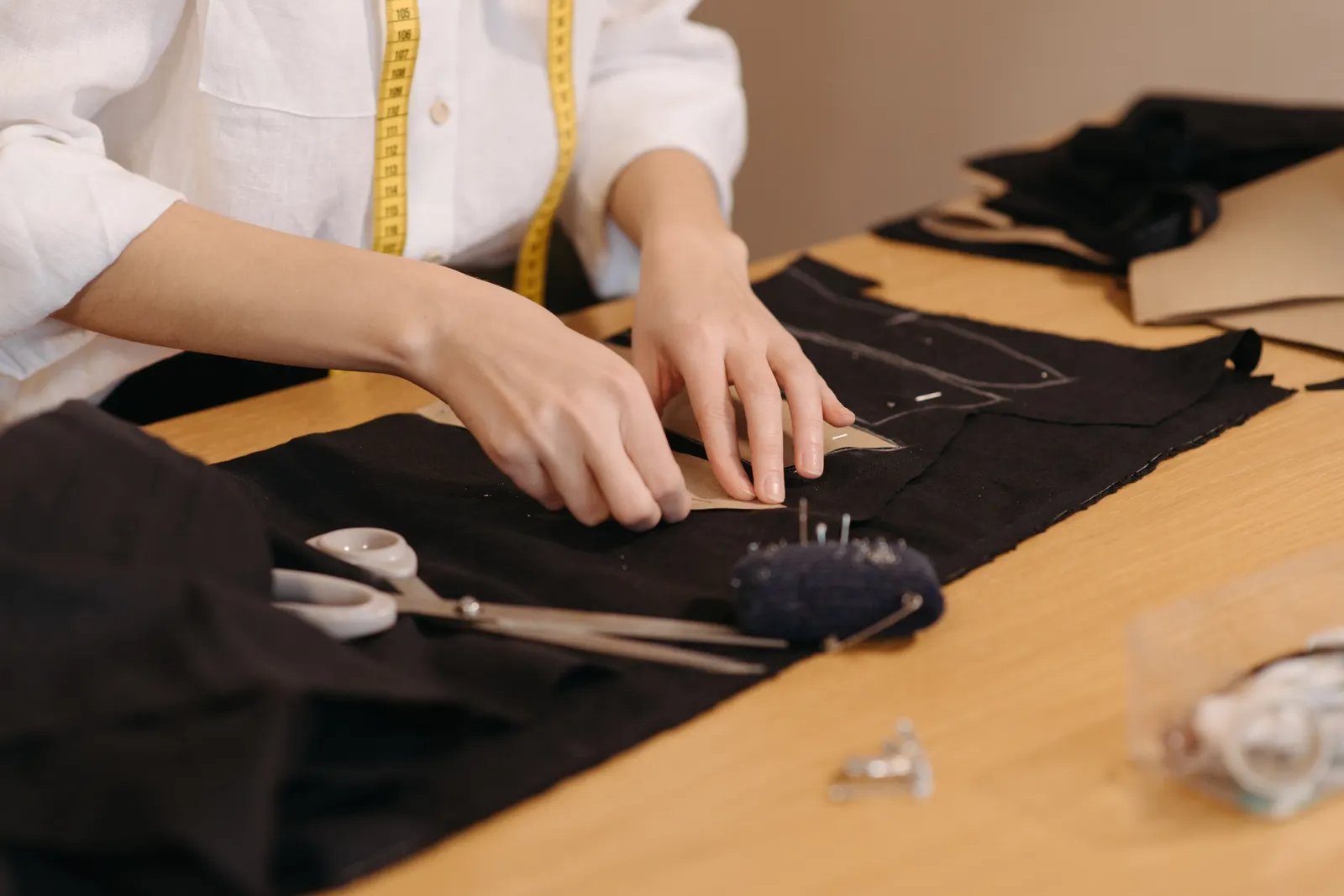
Hands cutting dark fabric to a pattern with scissors on a work table
Production

What Is Cut and Sew Manufacturing?

Cut and sew means fabric cut from your patterns and sewn into garments to your spec — not decorated blanks. The process step by step, what it gives your brand, what it needs from you, and the timelines and minimums.

By H. Kay•7 min read
https://customapparel.studio/what-is-cut-and-sew-manufacturingRead article →
A small curated clothing collection hanging on a rail in a bright studio
Starting Out

How Many Styles Should Your First Collection Be?

Every style is its own 100-unit minimum — so the number of styles in your first collection is the biggest budget decision you make. How to size a first drop: heroes, support styles, and the maths that keeps you solvent.

By H. Kay•7 min read
https://customapparel.studio/how-many-styles-first-collectionRead article →
Clothing brand founder at a desk with a laptop, notebook and fabric swatches
Sourcing

Questions to Ask a Clothing Manufacturer Before You Order

The questions that separate a real manufacturer from a middleman — on MOQ counting, sampling, fabric, timelines and shipping terms. Ask them before you order, and know what a good answer sounds like.

By H. Kay•8 min read
https://customapparel.studio/questions-to-ask-a-clothing-manufacturerRead article →
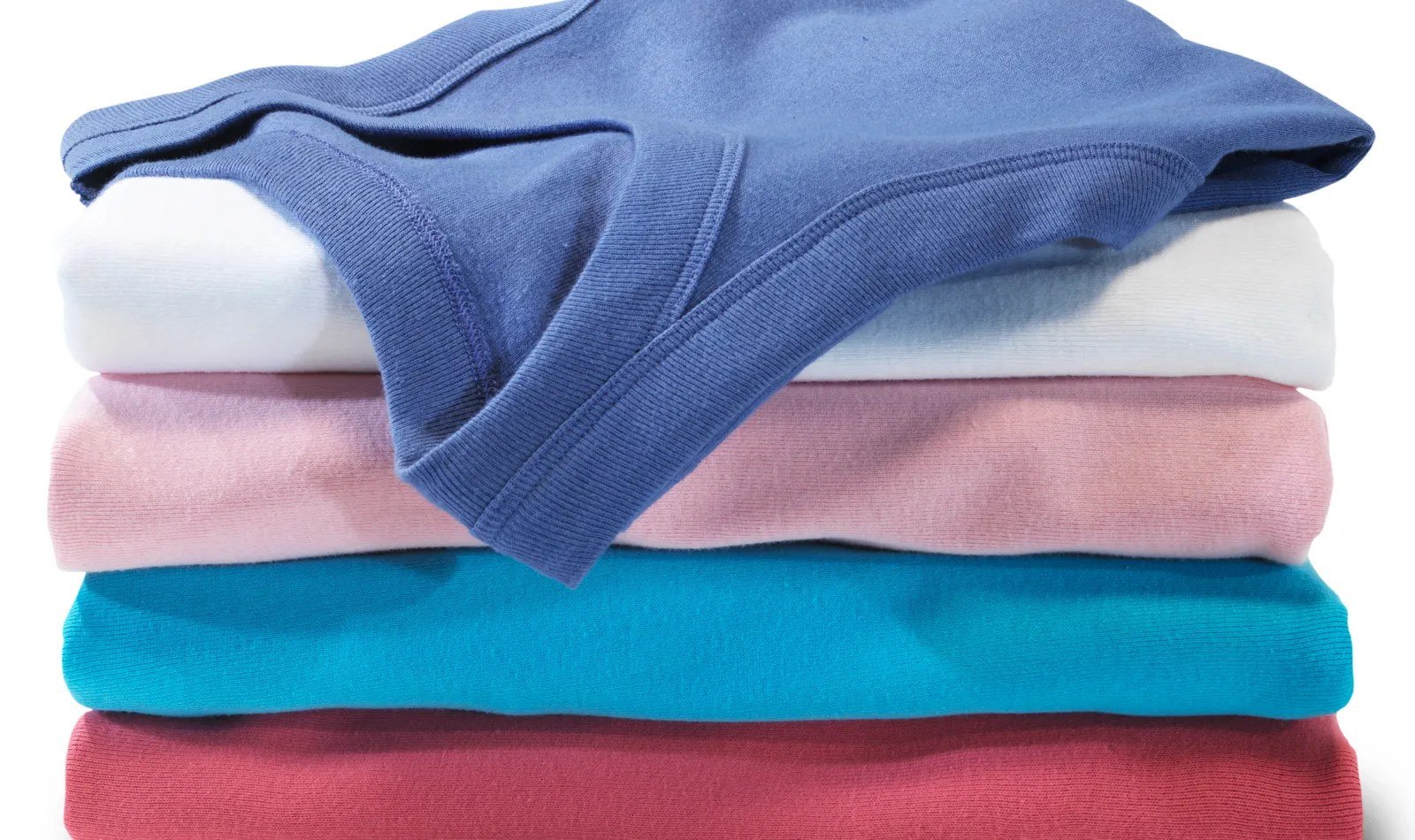
Neat stacks of folded t-shirts in several colours on a table
Starting Out

How Many Units Should Your First Order Be?

Your first order is a test you can sell, not a warehouse you have to store. How to size it: the 100-per-style floor, size and colour splits, sell-through thinking, and the reorder plan that makes 100 units enough.

By H. Kay•7 min read
https://customapparel.studio/how-many-units-first-orderRead article →
Jeans in different denim washes and weights hanging on a rail
Fabric

Denim Weight Explained: What Oz Should Your Jeans Be?

Denim is sold by the ounce. What the weight bands actually wear like — drape, season, break-in, shrinkage — and how to pick the right oz for the jeans you want to sell.

By H. Kay•7 min read
https://customapparel.studio/denim-weight-guideRead article →
Embroidery machine stitching a logo onto fabric, close-up
Production

Embroidery vs Print: Which Should Your Design Use?

Embroidery and print are different tools, not rivals. Durability, finish, fabric fit and what drives the cost of each — and the cases where one clearly beats the other.

By H. Kay•7 min read
https://customapparel.studio/embroidery-vs-printRead article →
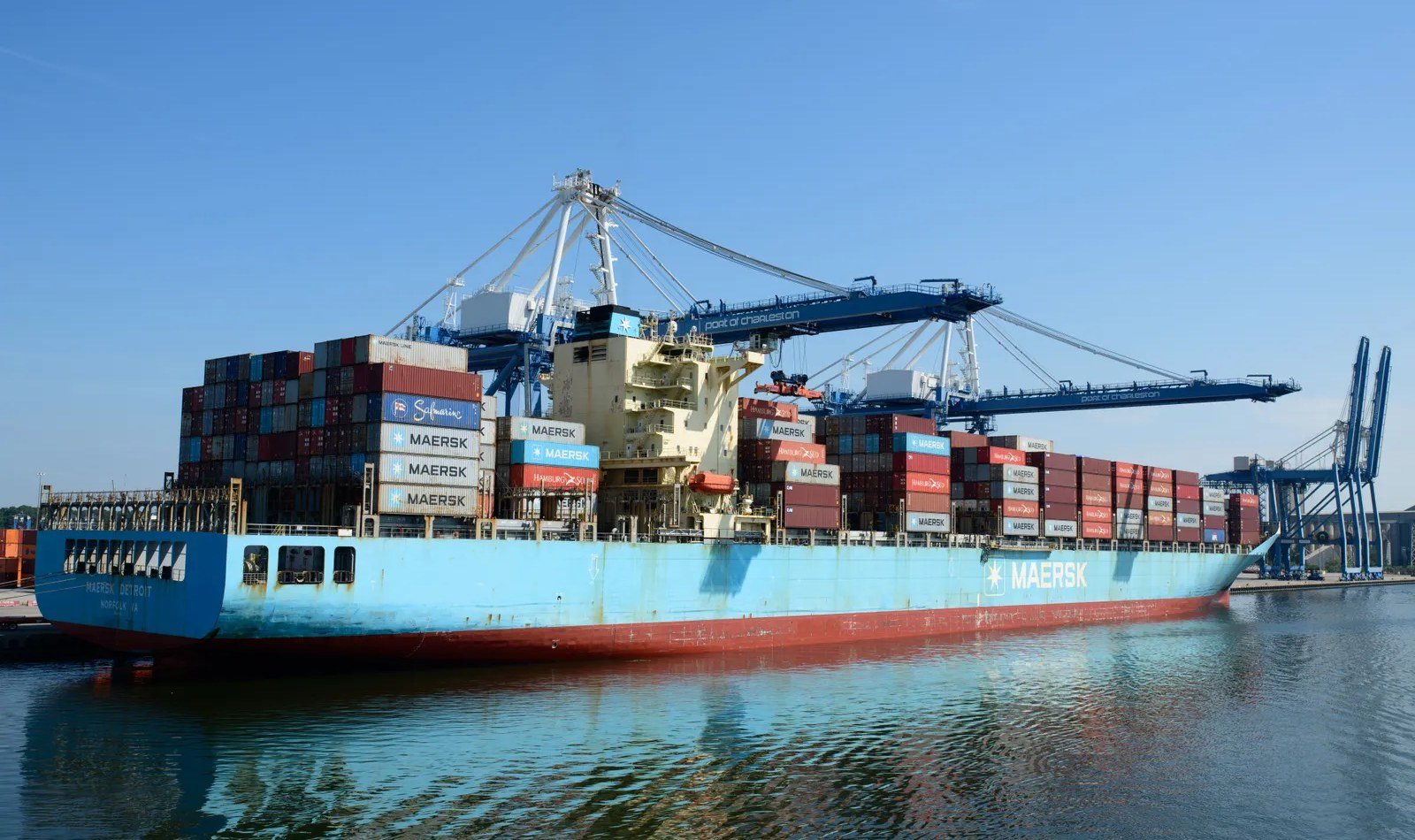
Container ship loaded with shipping containers at a port
Sourcing

FOB vs LDP: Which Should You Buy On?

FOB and LDP are two different prices wearing the same clothes. What each basis includes, who arranges freight and duty, where the margin hides — and which one fits how you buy.

By H. Kay•7 min read
https://customapparel.studio/fob-vs-ldpRead article →
Calculator, invoices and shipping paperwork on a desk with folded garments
Sourcing

What Is Landed Cost? Your True Cost Per Unit

The factory price is not your cost. Landed cost adds freight, duty and fees into one true per-unit number — how to build it, with a worked example, and why your margins depend on it.

By H. Kay•7 min read
https://customapparel.studio/what-is-landed-costRead article →
Cargo aircraft being loaded with freight pallets on a tarmac
Sourcing

Air Freight vs Sea Freight for Clothing Orders

Air is fast and priced by volume; sea is slow and cheap per unit. How clothing freight is actually charged, the chargeable-weight trap, and when each mode wins — samples, top-ups and bulk.

By H. Kay•7 min read
https://customapparel.studio/air-freight-vs-sea-freightRead article →
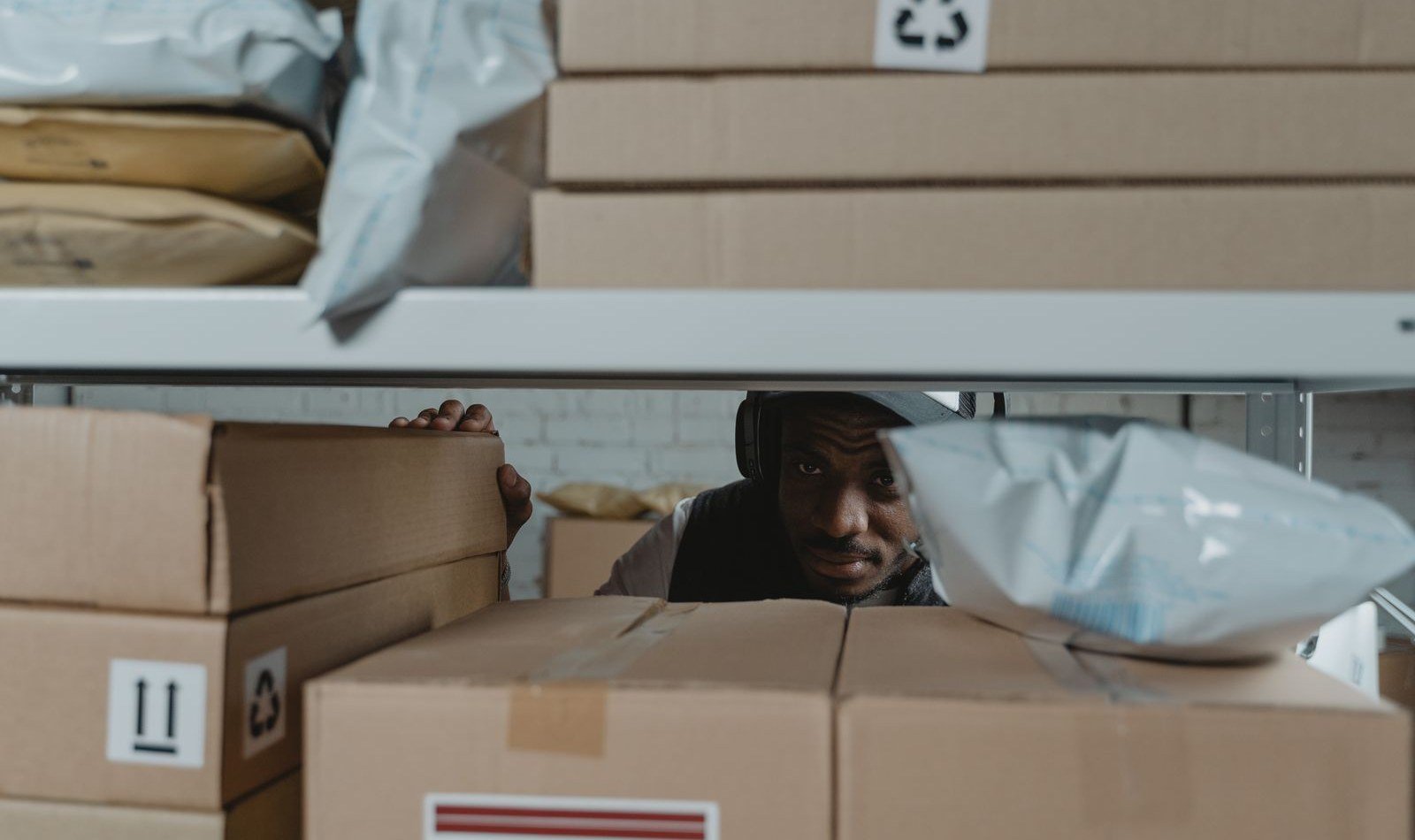
Warehouse worker inspecting cartons of goods on shelves
Sourcing

Importing Clothing: Duties, Customs and Paperwork Explained

Duty is not a surprise tax — it is a classification. How clothing imports are assessed: HS codes, fabric composition, origin, customs value — plus the documents every shipment needs.

By H. Kay•7 min read
https://customapparel.studio/clothing-import-duties-customsRead article →
Forklift moving a pallet of cartons in a warehouse
Sourcing

Do You Need a Freight Forwarder?

A freight forwarder moves cargo that isn't theirs. When you genuinely need one, when the factory's door-to-door route already covers it, and what the courier is for — so you pay for logistics once, not twice.

By H. Kay•6 min read
https://customapparel.studio/do-you-need-a-freight-forwarderRead article →
Man wearing a grey marl hoodie with the hood raised, showing the fleece texture
Fabric

Hoodie GSM Guide: Which Weight Should Your Hoodie Be?

GSM decides how a hoodie feels, drapes, prints and ships. The weight bands explained — light, standard and heavyweight fleece — what each is for, and how to pick the right one for your first drop.

By H. Kay•7 min read
https://customapparel.studio/hoodie-gsm-guideRead article →
Jeans in different denim washes hanging on clip hangers on a rail
Design

Denim Fits Explained: Straight, Tapered, Wide Leg, Flare and Barrel

Straight, tapered, wide leg, flare and barrel — five fits, five different patterns. What each fit actually does, who buys it, and the spec details that decide whether it reads premium or wrong.

By H. Kay•6 min read
https://customapparel.studio/denim-fits-explainedRead article →
Man wearing a beige hoodie with the hood up outdoors
Production

Why Your Hoodie Twists After Washing (Spirality, Explained)

A hoodie that twists after washing isn't a washing problem — it's spirality, engineered in at cutting. What causes it, how to spot it early, and how a factory prevents it before your customer finds it.

By H. Kay•6 min read
https://customapparel.studio/why-your-hoodie-twistsRead article →
Fashion design sketchbook with coloured garment illustrations and pencils on a wooden table
Starting Out

From Sketch to Sample: What a Factory Can Build From Your Idea

No tech pack? No problem. What a factory can work from — a sketch, photos, a reference garment — what we need from you to start, and how a rough idea becomes a tech pack and an approved sample.

By H. Kay•7 min read
https://customapparel.studio/from-sketch-to-sampleRead article →
Machinist guiding fabric under the needle of an industrial sewing machine, close-up
Production

The Clothing Sampling Process: Rounds, Checks and Approval Gates

Sampling is where your garment gets proven: proto, fit and pre-production rounds, what gets checked at each one, the approval gates that protect your bulk run, and realistic timelines.

By H. Kay•8 min read
https://customapparel.studio/clothing-sampling-processRead article →
Finished garments in a range of colours and styles hanging on a rail in a studio
Starting Out

Private Label vs Cut-and-Sew vs Print on Demand: Which Route Fits Your Brand?

Three routes that get mixed up constantly — what each one actually is, an honest side-by-side, who each route suits, and how brands climb from one to the next.

By H. Kay•8 min read
https://customapparel.studio/private-label-vs-cut-and-sew-vs-print-on-demandRead article →
Workers sewing garments on a factory production line
Production

How Long Does Clothing Manufacturing Take? (Stage by Stage)

The seven stages of a clothing order, what actually drives the time in each, the delays founders cause without knowing, and how to plan backwards from a launch date.

By H. Kay•7 min read
https://customapparel.studio/how-long-does-clothing-manufacturing-takeRead article →

Tailor measuring fabric laid out on a work table, tape measure around his neck
Production

Why Your Sample Came Back Wrong (And How to Brief So It Doesn't)

A wrong sample rarely means a bad factory — the six usual causes, how to read what arrived, and the feedback format that fixes it in one round.

By H. Kay•7 min read
https://customapparel.studio/why-your-sample-came-back-wrongRead article →
Person holding a stack of folded t-shirts in five different colourways
Production

MOQ Explained: Per Style vs Per Colour (The Difference That Triples Your First Order)

Two manufacturers can both say "MOQ 100" and mean orders three times apart — how minimums are counted, per style vs per colour, with the maths.

By H. Kay•7 min read
https://customapparel.studio/moq-explained-per-style-vs-per-colourRead article →
Clothing brand founder researching manufacturers on a laptop at a desk with fabric swatches and garment samples
Sourcing

How to Find a Clothing Manufacturer (Without Getting Burned)

Finding a manufacturer is easy — vetting one is the job. Where to look, what to check, what to ask in the first message, and the red flags that save you a bad first run.

By H. Kay•8 min read
https://customapparel.studio/how-to-find-a-clothing-manufacturerRead article →
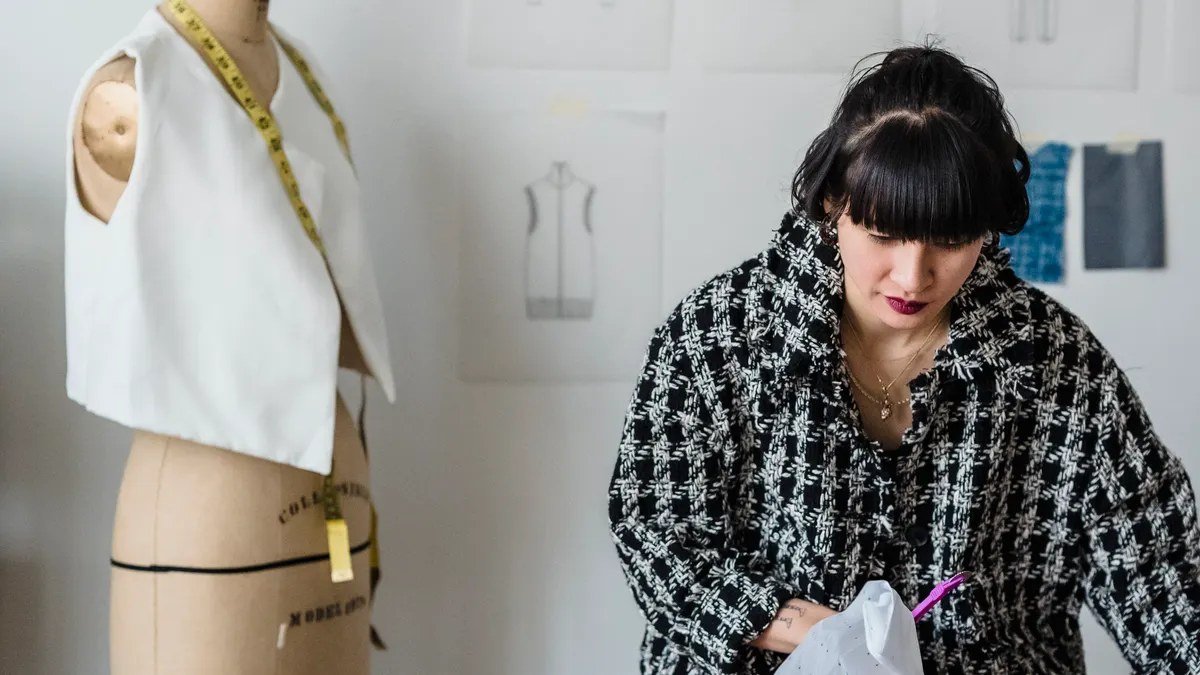
Garment designer sketching flat designs at her desk, measuring tape around her neck, with pattern paper and fabric spread in front of her
Starting Out

What Is a Tech Pack? (And Exactly What to Put in Yours)

Sketches, materials, measurements, construction, artwork, packaging — what goes in a tech pack, what goes wrong without one, and what to do if you don't have one yet.

By H. Kay•7 min read
https://customapparel.studio/what-is-a-tech-packRead article →
Designer costing a clothing design at a desk with a calculator, notebook, fabric swatches and garment sketches
Starting Out

How Much Does It Cost to Start a Clothing Brand?

The real cost stack behind a first drop — development, sampling, fabric, production, decoration, freight — and the MOQ mistake that triples a first order.

By H. Kay•7 min read
https://customapparel.studio/how-much-does-it-cost-to-start-a-clothing-brandRead article →
Dressmaker measuring a dress form to build a bespoke garment silhouette
Design

The Death of the "Blank": Why Your Brand Needs Bespoke Silhouettes to Survive

Bespoke silhouettes are the new standard for technical luxury in 2026, and generic blanks are killing streetwear brands — the move to engineered garment architecture, high-GSM fabrics and precision manufacturing.

3 min read
https://customapparel.studio/the-death-of-the-blank-why-your-brand-needs-bespoke-silhouettes-to-surviveRead article →
Fashion designer developing a first garment on a dress form in her studio
Starting Out

How to Start a Clothing Line in 2026: A Step-by-Step Manufacturing Guide

Sourcing sustainable fabrics, building a colour story and developing professional tech packs — scaling from 100 units to a flagship store.

By H. Kay•3 min read
https://customapparel.studio/how-to-start-a-clothing-line-in-2026-a-step-by-step-manufacturing-guideRead article →
Quality-control worker checking garment records and folded stock at a clothing factory
Sourcing

How to Verify Your Clothing Manufacturer: A Guide to Sourcing from Certified Mills

How to audit your manufacturer, read textile certifications and make sure technical fabrics come from truly certified mills.

4 min read
https://customapparel.studio/how-to-verify-your-clothing-manufacturer-a-guide-to-sourcing-from-certified-millsRead article →
Man wearing a plain white heavyweight hoodie with the hood up
Fabric

The Secret to the Perfect Hoodie: Why 450 GSM Heavyweight Fleece is Trending in 2026

In premium streetwear, weight equals value: why 450 GSM fleece became the standard — GSM differences, reactive dye matching, and fabrics that hold shape wash after wash.

By H. Kay•3 min read
https://customapparel.studio/the-secret-to-the-perfect-hoodie-why-450-gsm-heavyweight-fleece-is-trending-in-2026Read article →
Machinist sewing garments on a large factory production floor
Production

From 100 Pieces to 1,000: How to Scale Your Production Without Losing Quality

Scaling is more than adding zeros: prototyping services, Full Package Production (FPP), and protecting margins and quality as you grow.

By H. Kay•4 min read
https://customapparel.studio/from-100-pieces-to-1000-how-to-scale-your-production-without-losing-qualityRead article →

Ready to cost your style?

Reading only gets you so far. Send the product, quantity and fabric you’re planning — we’ll cost the actual style, 100 per style, sample first.