What Is Cut and Sew Manufacturing?
Cut and sew is the term behind most of the clothing brands you admire — and one of the most misused in supplier listings, where it gets attached to everything from true bespoke production to relabelled blanks. The definition is literal. Cut and sew means fabric is cut from patterns and sewn into garments to your specification — the garment is manufactured, not decorated.
This guide walks the process step by step, what it gives a brand that blanks never can, what it needs from you to start, and the timelines and minimums that come with it.
The Short Version
- Cut and sew: your fabric, cut to your pattern, sewn into your garment. The opposite of buying a finished blank and adding a print or a label.
- The process runs tech pack → pattern → grading → fabric sourcing → cutting → sewing → decoration → QC and packing.
- What it gives you is ownership: your fit, your fabric weight and composition, your construction details — a product only you sell.
- What it needs from you is a design to build from: a tech pack, or a reference garment, photos or a sketch — we build the tech pack with you during sampling.
- Sampling typically takes 2–4 weeks and most projects run 4–12 weeks end to end, from 100 units per style.
What Cut and Sew Means — and What It Isn't
A cut-and-sew garment begins as cloth. The fabric is laid, marked and cut into panels following a pattern made for that design, and the panels are sewn together into the finished garment — with its decoration, labels and trims built in during production, not applied afterwards. Every decision in the garment is somebody's spec: the fit block, the fabric and its weight, the seam construction, the rib quality, the pocket placement.
It isn't two things it is often confused with. It isn't decorating blanks — printing or embroidering a finished wholesale garment, where the fit and fabric were decided by the blank maker. And it isn't relabelling stock — sewing your label into a catalogue garment. Both have their uses, but in both, the product underneath is someone else's. In cut and sew, the product is yours, which is the entire point — and also why it involves patterns, sampling and minimums that blank routes don't.
The Process, Step by Step
1. Tech pack. The build document: sketches, measurements, fabric spec, construction details, artwork and packaging. Everything downstream follows it.
2. Pattern. The garment translated into cut pieces — the shapes that decide fit before fabric is involved.
3. Grading. The pattern scaled across your size run, so each size is the same design, proportioned — not a photocopy of the medium.
4. Fabric sourcing. Cloth sourced or made to the spec in the pack — weight, fibre composition, colour — and approved as part of the sample.
5. Cutting. Fabric laid and cut into panels on the grain, in the size and colour ratios of your order.
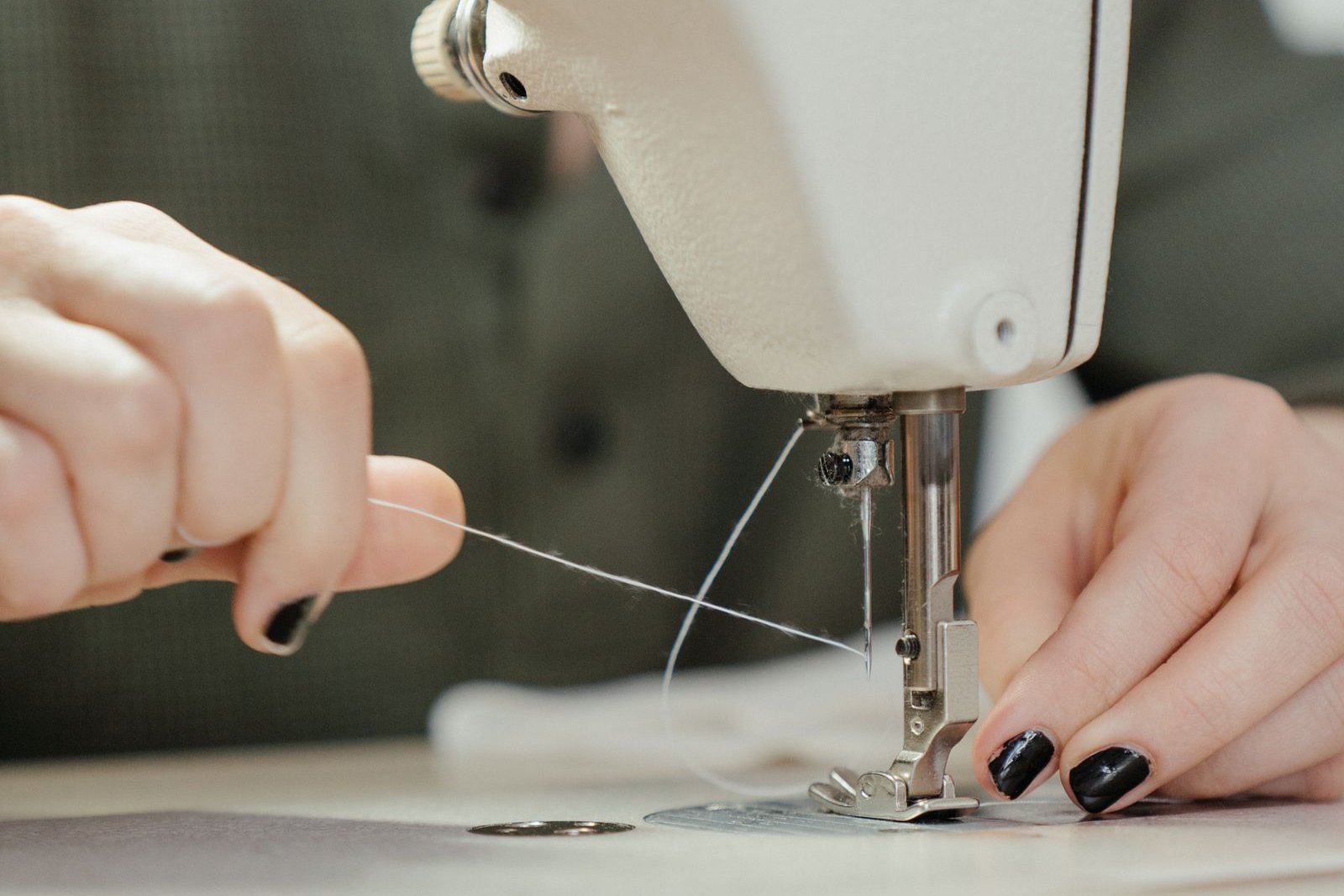
6. Sewing. Panels assembled into garments: seams, hems, hoods, waistbands, ribbing — the construction itself.
7. Decoration. Embroidery, print and your labels and tags applied as specified — placed during production, where the tech pack put them.
8. QC and packing. Every piece checked against the approved sample — measurements, stitching, finish — then folded, bagged and cartoned for shipping.
What It Gives Your Brand
Your own fit. The pattern is yours, so the silhouette is yours — the shoulder drop, body length and proportions your customers learn to recognise and reorder. No wholesaler can discontinue it or sell it to your competitor.
Your own fabric. Weight, fibre and colour chosen for your price point and your customer, from heavyweight fleece to a specific denim — not whatever a blank happens to be made from.
Your own construction. The details that read as quality in the hand: hood construction, rib recovery, pocket placement, stitch quality — specified by you and proven on your sample.
Put together, cut and sew is how a brand stops renting its product from a blank catalogue and starts owning it.
What It Needs From You
Less than most founders fear. The ideal starting point is a tech pack — but a reference garment you love the fit of, clear photos, or even a sketch with measurements you care about are all workable beginnings. During sampling, we build the tech pack with you: your references become measurements, fabric spec and construction notes, the pattern is made, and the sample proves the whole document in cloth. What cut and sew genuinely needs from you is decisions — fit direction, fabric direction, approval at the sample gate. Bulk never starts without that approval: no approval, no bulk.
Timelines and Minimums
Sampling typically takes 2–4 weeks — pattern, sourcing, sewing and your review of the physical sample. Most projects run 4–12 weeks from design to delivery, depending on fabric and complexity, with door-to-door shipping arranged by us at the end of the run. The minimum is 100 units per style, with colours and sizes split inside the 100 — the run is real production, sized so a first brand can start with its own product instead of a decorated blank.
Private label vs cut-and-sew vs print on demand: which route fits? →
What is a tech pack? (And exactly what to put in yours) →
The clothing sampling process: rounds, checks and approval gates →
Start a cut-and-sew style — get a costing →
Frequently Asked Questions
What does cut and sew mean? Manufacturing a garment from cloth: fabric is cut into panels following a pattern made for the design, then sewn together into the finished garment — with decoration, labels and trims built in during production.
How is cut and sew different from private label? Private label puts your branding on a garment made to a standard pattern — often a stock style with your labels. Cut and sew starts from your pattern and your fabric spec, so the fit and construction are yours, not a catalogue's.
What do I need to start a cut-and-sew order? A design to build from: ideally a tech pack, but a reference garment, clear photos or a sketch all work. We build the tech pack with you during sampling, then prove it in a physical sample you approve before bulk.
Can cut and sew match a fit I already love? Yes — a reference garment is one of the standard starting points. Its measurements and proportions inform your pattern, which is then graded to your size run and proven on a sample. The result is your product, built to the fit direction you chose.
How long does cut-and-sew production take? Sampling typically takes 2–4 weeks, and most projects run 4–12 weeks from design to delivery depending on fabric and complexity. Bulk starts only after you approve the sample.
What is the minimum order for cut and sew? 100 units per style, with colours and sizes split inside the 100 — not per colour. Each additional style carries its own 100-unit minimum.
Ready to cost your style?
Send the product, quantity and fabric you're planning — we'll cost the actual style, 100 per style, sample first.