Air Freight vs Sea Freight for Clothing Orders
Air freight sells speed and charges for space. Sea freight sells patience and charges for volume at a fraction of the unit cost. For clothing — light, bulky, and sold against launch dates — choosing the mode is a margin decision, not an afterthought.
This guide explains how each mode actually charges, the volumetric trap that catches hoodie brands, and the hybrid pattern most growing brands end up running.
The Short Version
- Air freight charges on chargeable weight — the greater of actual weight and volumetric weight. Bulky, light garments pay for the space they take.
- Sea freight charges mainly by volume: a full container, or per cubic metre for part loads. Garments are rarely too heavy — only too bulky.
- Air wins when the date matters: samples, launch stock, fast top-ups. Sea wins on unit cost for bulk.
- Most brands run both — bulk by sea, with a small air shipment ahead of it for content and launch.
- Fabric weight is a freight decision: heavier garments cost more to move on every route, every order.
How Air Freight Is Charged
Airlines sell space in a hold that is limited by both weight and volume, so they charge whichever runs out first: chargeable weight, the greater of the scale weight and the volumetric weight. Volumetric weight converts a carton's size into kilos with the standard formula — length × width × height in centimetres, divided by 6,000.
This is where clothing gets caught. A carton of hoodies is mostly air: it weighs little and measures a lot. The airline charges you for the heavy shipment your carton pretends to be. Compress the packing, shrink the carton, and the chargeable weight falls — packing is a freight skill, not a warehouse detail.
How Sea Freight Is Charged
Sea freight thinks in containers. Book a full container (FCL) and the box is yours at a flat rate, however you fill it. Book a part load (LCL) and you pay per cubic metre of space used, sharing the container with other shippers. Either way, the unit economics reward volume and punish urgency: per garment, sea is the cheapest way to move clothing across an ocean — if your calendar can absorb a journey measured in weeks, plus port time at both ends.
Side by Side
| Factor | Air freight | Sea freight |
|---|---|---|
| Transit | Days | Weeks, plus port time |
| Charged on | Chargeable weight (actual vs volumetric) | Volume — container or per cubic metre |
| Cost behaviour | High per kilo; brutal on bulky goods | Low per unit once volume is real |
| Best for | Samples, launch stock, top-ups | Bulk stock and reorders |
| Main risk | Cost blowout on volume, not weight | Delays — the plan has to carry the calendar |
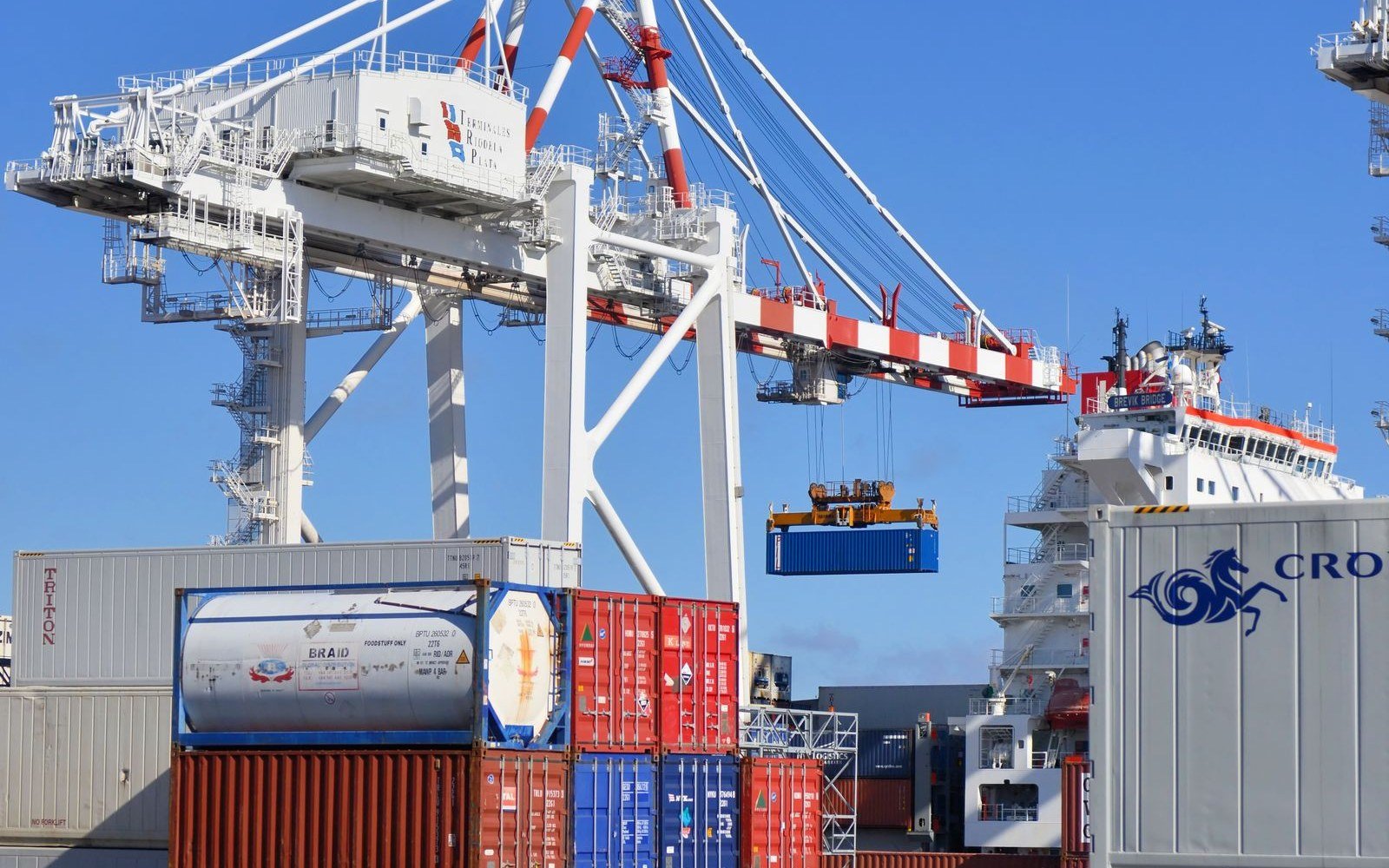
When Each One Wins
Air wins when the date is worth more than the freight: samples that unblock production decisions, a small launch quantity that needs to be in hand for a fixed drop date, a top-up of the size that sold out first. The quantity is small, the value of the timing is high, and the chargeable-weight bill is the price of the calendar.
Sea wins when the order is the business: bulk stock, reorders of proven styles, anything where the per-unit freight line decides whether the margin works. The discipline it demands is planning — production and shipping together, backwards from the date the stock has to be on your shelf.
Most brands run both. The standard pattern: bulk by sea, and a small air shipment ahead of it carrying photography samples, influencer stock and the launch-day quantity. The air cartons cost more per unit and earn it back by making the launch happen on time.
See freight inside your true per-unit cost →
Do you need a freight forwarder? →
Get a costing with your timeline →
Samples Travel Differently
One category never goes by sea: samples. Proto, fit and pre-production samples move by express courier or air — small cartons, high urgency, and a production calendar waiting on your approval at the other end. This is normal and worth budgeting for as its own line: a development cycle can involve several courier movements in both directions, and at sample weights the per-kilo price is simply the cost of keeping the calendar moving. The mistake is letting bulk logic anywhere near them — or the reverse, letting sample habits (small, fast, expensive) leak into how bulk stock travels.
Planning Backwards From the Launch Date
The mode decision is really a calendar decision, so make it on the calendar. Put the launch date down first. Subtract the selling and content window you need the stock in hand for. Subtract the freight transit — days for air, weeks plus port time for sea — and what remains is the date production must finish. That date, not optimism, tells you the mode. If the sea window has already closed by the time the sample is approved, air for at least the launch quantity is not an indulgence; it is the plan. Founders who cost both modes early, against real dates, rarely pay emergency freight. Founders who decide late pay it twice — once in money, once in a launch that slips anyway.
Frequently Asked Questions
Why is air freight for hoodies so expensive? Chargeable weight. Hoodies are bulky for their weight, so you are charged on volume, not kilos — the carton is priced as if it were a much heavier shipment.
What is volumetric weight? The space a carton takes, converted to kilos with the standard formula: length × width × height in centimetres, divided by 6,000. Air freight charges whichever is greater — that figure, or the scale weight.
When is sea freight the wrong choice? When the date matters more than the unit cost — launch stock, samples and fast top-ups. Sea is planned in weeks, and port delays are a real part of the calendar.
Can one order travel both ways? Yes. A common pattern is bulk by sea with a small air shipment ahead of it for photography, influencers and launch stock.
Does heavier fabric change the answer? Yes. Weight raises air cost directly, and bulk raises it through volume on both modes. A heavyweight-fabric decision is also a freight decision — cost it inside the landed number.
Who books the freight on a Custom Apparel Studio order? We ship door to door globally, so the route is arranged for you and the timeline comes with your costing. If you run your own forwarder on an FOB basis, that booking is yours to make.
Ready to cost your style?
Send the product, quantity and fabric you're planning — we'll cost the actual style, 100 per style, sample first.